Weaving Wellness: The Timeless Connection Between Clothing, Health, and Ancient Traditions
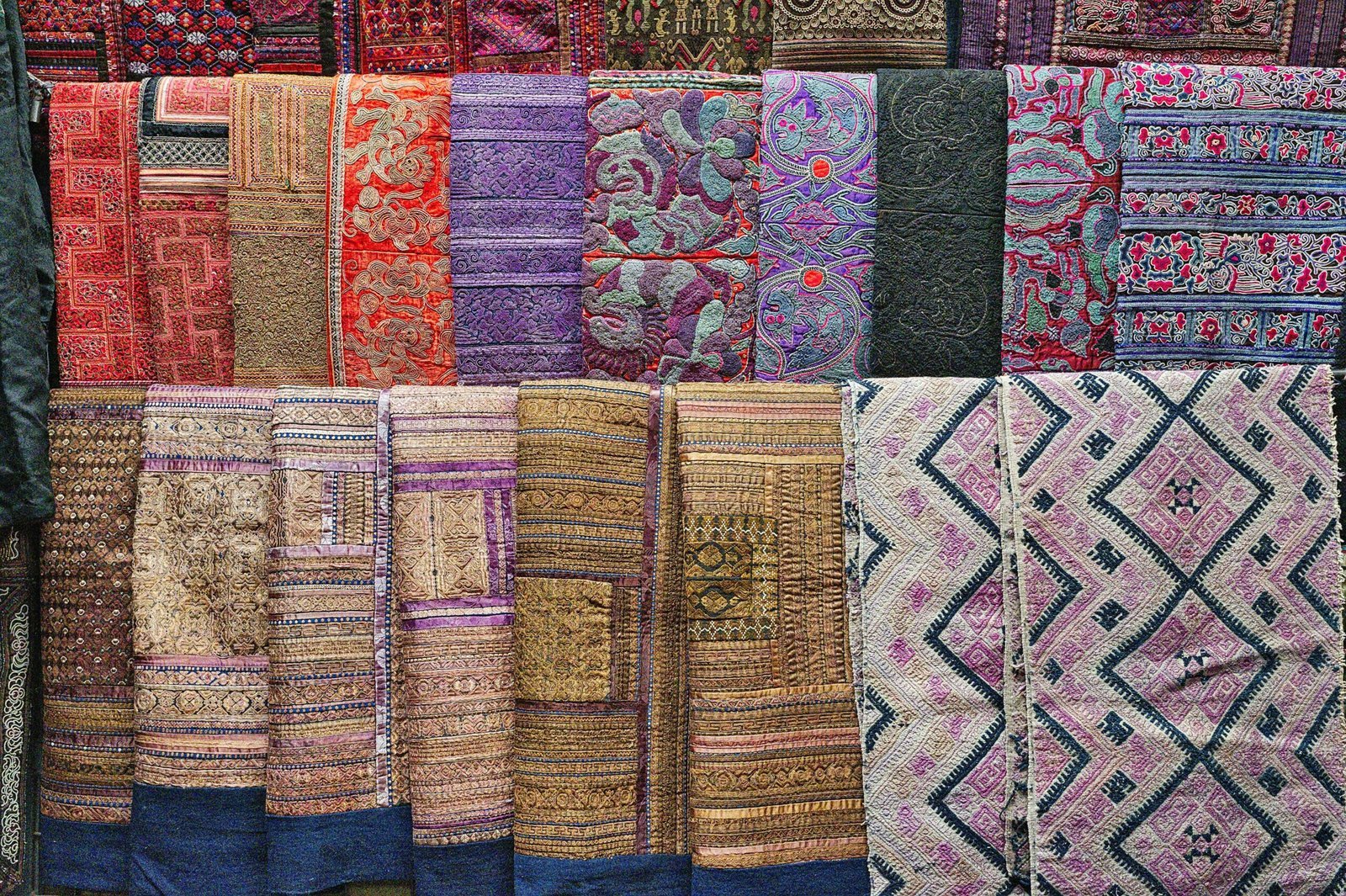
The Historical Significance of Clothing
Clothing has played a pivotal role in human history, serving not only as a protective barrier against the elements but also as a medium of cultural expression and social identity. Early civilizations utilized natural materials—such as animal hides, plant fibers, and later, woven textiles—to create garments that were intrinsic to their way of life. The evolution of clothing has been significantly influenced by geographical, cultural, and technological factors, leading to the diverse array of garments we see today.
In ancient societies, the materials used in clothing were often reflective of the environment and available resources. For instance, the ancient Egyptians donned linen, well-suited for their arid climate, while the Inuit crafted garments from animal furs, essential for insulation in extreme cold. This direct connection between clothing and health demonstrates how early humans adapted to their surroundings, using garments not only for style but for survival.
Moreover, clothing has long been a symbol of social status and community identity. In many cultures, specific attire conveys membership in a particular group, profession, or class. The use of dyes and intricate designs in textiles often distinguished the wealthy from the poorer classes, underscoring the socioeconomic divides that have persisted throughout history. For instance, the vibrant colors and luxurious fabrics of royal garments reflected power and prestige, while commoners wore simpler, less expensive clothing made from readily available materials.
Textiles have also played a vital role in health practices. In various cultures, clothing was utilized in rituals intended to promote well-being or ward off illness. From the protective garments worn in traditional medicine practices to the symbolic colors representing health within community rituals, clothing’s cultural significance extends beyond mere aesthetics. The historical evolution of clothing thus encapsulates a rich tapestry of health, identity, and the human experience, revealing timeless connections that continue to resonate in contemporary society.
Clothing and Health: A Symbiotic Relationship
Throughout history, clothing has played a crucial role in human life, influencing not only our outward appearance but also our overall health and well-being. The garments we choose can significantly impact our hygiene, comfort, and even psychological state, creating a symbiotic relationship between clothing and health. Traditional clothing, often deeply rooted in culture and community, has been crafted with specific materials and designs that prioritize wearability and physical comfort, aspects that modern fashion trends may sometimes overlook.
From the breathable fabrics used in ancient civilizations to the layered clothing strategies of indigenous peoples, the choice of material has profound implications for physical health. For instance, natural fabrics such as cotton or linen allow for better air circulation, reducing the risk of skin irritation and promoting overall hygiene. In contrast, synthetic materials can trap heat and moisture, potentially leading to discomfort and various health issues. The importance of fabric choice in promoting physical well-being cannot be understated, linking back to the holistic health practices established in ancient cultures.
Moreover, the psychological impact of clothing should not be underestimated. The clothing we wear can affect our mood, self-esteem, and mental health. Wearing clothing that resonates with one’s cultural heritage or personal style can foster a sense of belonging and identity, while poorly fitting or uncomfortable attire can contribute to feelings of self-consciousness and stress. Historical examples, such as the use of specific colors or patterns in traditional clothing during ceremonies, highlight the connection between appearance and emotional well-being.
As we explore the relationship between clothing and health, it is evident that our choices are not merely aesthetic but rather a vital part of our holistic well-being. By considering aspects such as fabric, fit, and cultural significance, we can strive for a balance that respects both tradition and modernity while enhancing our overall health.
Textiles Through Time: The Legacy of Ancient Fabrics
The evolution of textiles reflects not only artistic skill but also cultural beliefs and environmental adaptability of ancient civilizations. Across various continents, distinct materials and techniques were developed, informed by the resources available to each community. For example, ancient Egyptians utilized linen, particularly prized for its breathability and comfort in the hot, arid climate. The cultivation of flax, from which linen is derived, illustrates the understanding of agricultural practices and their impact on health, as this natural fabric contributed to hygiene and skin wellness.
Similarly, indigenous peoples of North America, such as the Navajo, have a rich history of weaving using wool from their sheep. This practice not only produced warm clothing and blankets but also fostered a strong cultural identity. The colors and patterns in Navajo textiles often held spiritual significance, promoting both individual and community well-being. Similarly, these textiles served functional purposes while also embodying deep connections to the environment and its resources.
As we examine these ancient fabrics, it is evident that textiles served multiple roles: from practical attire to culturally significant items. The careful selection of materials, whether it be cotton, wool, or linen, shows a sophisticated understanding of the connection between clothing, health, and the environment. This rich legacy continues to inform contemporary textile practices, revealing an unbroken thread between past and present. The stories woven into these fabrics remind us of the timeless relationship between human communities and their crafted environments.
Tribal Traditions and Their Health-Enhancing Practices
Throughout history, various tribal cultures have intertwined their clothing practices with health and wellness, creating rich tapestries of tradition that serve both functional and symbolic purposes. In many indigenous societies, specific garments are not merely worn for protection or modesty; instead, they are infused with spiritual significance and are essential to healing rituals. For instance, during healing ceremonies, participants often don garments that are believed to carry protective energies or ancestral connections. These special outfits may be adorned with symbols and colors that reflect the tribe’s history and beliefs, serving as conduits for enhancing well-being.
In several tribes, clothing made from natural materials such as animal skins or plant fibers is revered for its connection to nature. It is thought that these materials not only provide physical comfort but also facilitate a deeper spiritual connection with the earth. For instance, Native American practices may involve the use of specific feathers or beadwork in ceremonial attire, which represent different animal spirits, fostering a sense of guidance and protection during wellness rituals. The act of wearing such garments operates on a psychological level, reinforcing a sense of identity and belonging that can contribute positively to mental health.
Additionally, many tribal traditions utilize clothing as a means of storytelling, encapsulating the identities and experiences of their people. Traditional attire often communicates social status, life stages, and community belonging, thereby reinforcing a sense of purpose and community cohesion. When individuals feel connected to their cultural heritage through what they wear, it can bolster self-esteem and contribute to an overall sense of well-being. Therefore, the intricate relationship between clothing and health in tribal traditions extends beyond visible benefits; it is deeply embedded in the spiritual and communal fabric of society.
The Role of Color and Patterns in Health and Healing
The connection between color and health is a well-explored area within various cultures and traditions. People have long believed that different colors can elicit specific emotional responses, influence mood, and even impact physical well-being. For instance, in many Asian cultures, the color red is associated with luck and protection, and is often used in clothing and textiles to ward off negative energy. Such beliefs illustrate a deep-rooted cultural significance attached to the colors we wear, suggesting that the use of color in clothing can serve both aesthetic and therapeutic purposes.
Patterns also play a critical role in conveying health benefits. For example, geometric designs are often linked to stability and strength. In regions such as Africa and South America, traditional patterns adorn clothing, carrying symbolic meanings that can promote community identity and emotional resilience. The symbolic representation of these designs can generate feelings of safety and reassurance in the wearer, thus contributing to overall well-being. Studies have shown that intricate patterns can stimulate the brain, enhancing cognitive functions and promoting relaxation.
Furthermore, colors and patterns can be leveraged in the field of color therapy, where specific hues are believed to promote healing and balance in the body. For example, blue shades are often associated with calmness and tranquility, which can reduce stress levels and encourage a sense of peace. On the other hand, vibrant colors such as yellow are thought to stimulate mental activity and draw out feelings of joy and positivity. Hence, integrating these elements into everyday clothing can promote emotional health and improve quality of life.
Ultimately, the patterns and colors in textiles represent a rich tapestry of beliefs and traditions that highlight the profound connection between clothing, health, and culture. Their integration into daily life can serve to enhance not only personal aesthetic choices but also overall emotional and physical well-being.
Natural Fibers and Their Benefits
Natural fibers, such as cotton, linen, and wool, have been cherished throughout history for their numerous health benefits and intrinsic qualities. These materials are derived from organic sources, making them a favorable alternative to synthetic fibers, which can often lead to discomfort and adverse skin reactions. The primary advantage of natural fibers lies in their breathability, allowing air to circulate freely around the skin. This property is essential for regulating body temperature and preventing overheating, especially in warmer climates or during physical activities.
Cotton, one of the most widely used fabrics globally, is renowned for its softness and comfort. This fiber is hypoallergenic, making it suitable for sensitive skin, while also being a good choice for individuals with allergies. Its moisture-wicking capabilities allow it to absorb sweat and moisture, thereby keeping the skin dry and reducing the risk of irritation. Similarly, linen, made from the fibers of the flax plant, offers outstanding breathability and moisture management, making it an ideal choice for warm weather clothing. The unique properties of linen result in a lightweight fabric that dries quickly and provides cooling effects, contributing to overall comfort during wear.
Wool, derived from sheep, is another natural fiber that deserves attention due to its thermoregulating capabilities. Wool can trap air and retain warmth in colder temperatures while also ensuring moisture is absorbed, thereby maintaining a dry layer next to the skin. This aspect of wool makes it particularly beneficial for outdoor activities or during chilly seasons. In various cultures, the use of these fibers aligns with ancient practices that prioritize wellness, reflecting a deep understanding of the relationship between clothing materials and health. By embracing these natural fibers, individuals not only enhance their wearing experience but also reconnect with age-old traditions that underscore the importance of comfort and health in clothing choices.
Modern Interpretations of Ancient Practices
In recent years, the fashion industry has increasingly turned its gaze toward ancient textiles and tribal traditions, seeking to blend history with contemporary design and health-conscious approaches. Designers are leveraging traditional materials and techniques, breathing new life into cultural practices while promoting sustainable fashion. This revival not only honors the past but also responds to a growing consumer demand for clothing that aligns with ecological and ethical values.
Several modern brands have emerged as champions of this movement. For instance, some designers utilize time-honored methods such as natural dyeing and weaving, which are deeply rooted in indigenous cultures. By employing these ancient practices, they produce garments that are not only aesthetically captivating but also promote a sense of well-being. This method often involves using materials that are less harmful to the environment, reflecting an increased awareness of the ecological impact of fashion.
Moreover, many contemporary labels are committed to sustainable sourcing, collaborating with artisan communities around the globe. This partnership revitalizes traditional crafts while providing artisans with fair trade opportunities, thus filtering back resources into local economies. The infusion of ancient design elements, such as hand-stitched detailing or intricate patterns, gives contemporary fashion a rich narrative that resonates with consumers seeking authenticity.
This blending of historical textiles with modern design aesthetics also serves a dual purpose, enhancing the health benefits of the garments. Clothing made from organic fibers and sustainable practices tends to be more breathable and gentle on the skin, catering to the growing focus on personal well-being. As more brands study and incorporate these ancient practices, they create timeless collections that not only reflect innovation but also respect heritage.
Sustainable Practices in Textile Production
The significance of sustainability in textile production cannot be overstated, particularly in an era characterized by heightened environmental awareness. Modern practices that prioritize eco-friendliness are often inspired by ancient civilizations, which maintained a profound reverence for nature and utilized resources responsibly. By revisiting these time-tested approaches, contemporary manufacturers are increasingly able to create textiles that are not only sustainable but also contribute positively to personal and environmental health.
Historically, many ancient cultures relied on natural fibers such as cotton, linen, and wool. These materials, derived directly from the earth, offered a lower environmental impact compared to synthetic alternatives. Today, sustainable practices in textile production once again emphasize the importance of natural materials. Manufacturers are experimenting with organic and non-toxic dyes, along with sustainable processes that minimize waste and mitigate pollution. For example, a growing number of companies engage in closed-loop systems where water and resources are recycled and reused throughout the production cycle.
Moreover, the adoption of sustainable agricultural practices is vital. Many modern textile producers are now sourcing cotton and other fibers from farms that employ regenerative agriculture techniques, which not only reduce chemical usage but also improve soil health. Such methods reflect the connection between textile production and holistic well-being, as they foster healthy ecosystems that ultimately result in healthier clothing options for consumers.
Furthermore, sustainable practices extend beyond just the materials used; they encompass the entire lifecycle of textile products. Initiatives promoting transparency, fair labor practices, and local craftsmanship are gaining momentum, reflecting the values upheld by ancient traditions. By consciously choosing sustainable clothing, consumers not only support ethical production methods but also promote their own health and well-being by reducing exposure to harmful chemicals frequently present in conventional textiles.
Conclusion: Embracing the Ancient Wisdom in Modern Clothing Choices
As we navigate the complexities of contemporary life, it is essential to reflect on the enduring wisdom of ancient practices regarding the interconnectedness of clothing, health, and well-being. Throughout history, textiles have not only served practical purposes but have also been woven into the fabric of cultural identities, embodying healing properties and natural rhythms that align with our human experience. Modern clothing choices often disregard this intrinsic link, focusing primarily on aesthetics and trends rather than the holistic implications of fabric and fit.
By revisiting traditional garment-making techniques and embracing organic materials, we can enhance our physical comfort and mental state. For instance, garments made from natural fibers such as cotton, flax, and wool promote better airflow and reduce the likelihood of skin irritations, which synthetic fabrics may exacerbate. This simple shift towards choosing the right textiles can significantly influence one’s overall health, fostering a deeper awareness of what our bodies truly need.
Furthermore, the ancient principles of mindful clothing selection encourage us to invest in pieces that are not only beneficial to us but also respectful of the environment. Ethical fashion practices rooted in sustainability echo the collective consciousness of our ancestors who revered the earth’s resources. By acknowledging the materials we wear and their origins, we can support a lifestyle that values well-being, both for ourselves and for future generations.
In conclusion, re-evaluating our clothing choices through the lens of ancient wisdom can lead to a harmonious lifestyle that balances tradition and modernity. As we make more conscious decisions, we embrace the potential for clothing to not only be a form of self-expression but also a pathway to nurturing our health and honoring time-tested practices that have served humanity for centuries.